Every long marriage begins like a well-tuned instrument. In the early days, even discord sounds romantic. A missed call becomes a love letter waiting to happen. A disagreement becomes a plot twist, not a threat. Over time, life adds more notes to the composition: careers, children, relatives, responsibilities, ambitions, disappointments. The melody thickens. The pauses lengthen. And one day, many couples realize they are not speaking to each other at all. They are simply reacting, like echoes fighting for the last word in an empty hall.
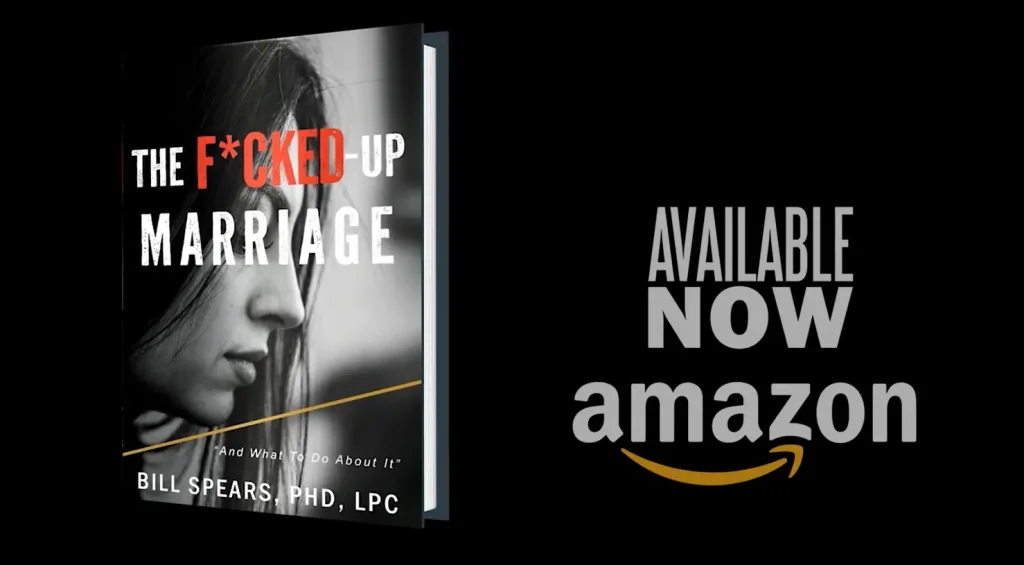
The book by Bill Spears, PhD, LPC, is a marriage therapy book that refuses to romanticize collapse. It looks at the raw mechanics of connection and disconnection. The author argues that the most dangerous crisis in marriage is not the loud explosion, but the quiet repetition of harmful communication habits. When partners stop addressing problems and start addressing each other with bitterness, silence, humiliation, or emotional withdrawal, the marriage slips.
This Marriage Counseling Book for Couples Stuck in Toxic Communication Patterns explains that marriages do not break because of conflict, but because of the toxic communication patterns that accompany conflict. It tells us that toxicity in communication is not a mood; it is a pattern, and patterns become prisons when left unnamed.
Communication Breakdown in Marriage: The Slow Leak No One Notices
The book emphasizes that communication breakdown in marriage often begins when couples stop sharing influence. Influence sharing means allowing your partner’s voice, emotions, and needs to shape decisions and conversations genuinely. Dr. Spears highlights this in his clinical stories. He shows that the emotional gap widens fastest when one partner begins believing that adjusting to the other means losing power, losing pride, or losing control.
One of the book’s most compelling examples is the story of Charlie and Doris. Charlie felt emotionally suffocated by relatives entering every decision. He attempted repeatedly to set boundaries, express distress, and invite collaboration. Doris responded with defensiveness and denial. Dr. Spears explains that this was not a problem with relatives, but a communication breakdown in marriage, because the distress was dismissed chronically. Charlie emotionally checked out long before divorce became official, and Doris never recognized the emotional imbalance in the union. The book stresses that denial and dismissal are two of the most common toxic communication patterns couples normalize until emotional withdrawal becomes irreversible.
Another example is Mary and Tim. Their marriage was filled with unresolved resentment and emotional shutdowns. Tim used silence not as a regulation, but a retreat. Mary responded with emotional pursuit that turned into blowups. Dr. Spears made the rare clinical call for temporary separation. He explains that separation is not the treatment. In Mary and Tim’s case, their inability to follow the reconnection rules during separation only confirmed Dr. Spears’ belief that communication breakdown in marriage becomes fatal when partners can no longer respond to each other constructively.
Dr. Spears often emphasizes that healing is only possible when partners are mentally present and emotionally accountable. The marriage therapy book explains that counseling works only when the marriage is wounded, not emotionally deceased.
Couples Therapy and Emotional Accountability: The Forgotten Half of Every Conversation
The book explains that Emotional intelligence means recognizing emotions, naming them accurately, taking responsibility for them, and responding thoughtfully rather than reacting impulsively. Dr. Spears says that emotionally intelligent partners treat conversations like shared territory, not battlegrounds. They communicate pain without shaming. They express disappointment without contempt. They request a change without humiliation. They pause without vanishing.
This concept is illustrated sharply in Victor and Ella’s story. Victor used sarcasm and mimicry when angry about household stress. He shamed Ella through disguised humor. Ella internalized the humiliation and began withdrawing emotionally. Dr. Spears explains that sarcasm used as a delivery system for anger becomes toxic communication in marriage because it targets identity instead of behavior. The book explains that couples therapy works when couples learn to separate the person from the problem.
The book also highlights emotional accountability through the story of Gloria and Melvin. The couple created lists of gratitude and affirmations about each other without being asked. Dr. Spears says affirmation is not sentiment; it is science. Humans respond emotionally to appreciation more predictably than pets respond to treats. Gloria and Melvin felt emotional renewal simply by reading their lists aloud. Dr. Spears uses this to demonstrate that couples therapy is not always about dismantling hostility, but about rebuilding emotional safety through intentional positive communication habits.
The Book’s Distinct Contribution to Relationship Counseling
This book is not merely a relationship counseling book; it is a field guide for patterns that most couples ignore until emotional distance becomes normal language. The book makes several distinct arguments:
- Toxic communication in marriage is sustained by repetition, not volume.
- Communication habits to avoid include chronic criticism, defensiveness, stonewalling, sarcasm-based shaming, silent punishment, emotional dismissal, and refusal to share influence.
- Couples therapy heals marriages when partners are mentally present, emotionally accountable, and willing to replace reaction loops with response habits.
- Marriage counseling works only when couples stop seeking therapy from each other and seek therapy with each other.
- A communication breakdown in marriage can be repaired only when couples agree that the pattern is the enemy, not the person.
Dr. Spears explains that some marriages are not meant to be rescued, but understood. He reminds readers that counseling sometimes shifts from rescue to acceptance when the willingness to change is absent. Not all endings are failures. Some are honest conclusions reached before contempt grows roots. A marriage becomes f*cked up when the same harmful communication habits repeat until the partners no longer remember what emotional safety felt like. The book is ultimately a marriage therapy book that teaches one clear truth: love opens the door, but communication habits decide who stays inside the room, who feels welcome, and who quietly walks away from the composition.
If we want healthier relationships, we must stop treating communication as spontaneous weather and start treating it as architecture. The blueprint can change, even when the building feels old, unless the partners have already left the construction site.