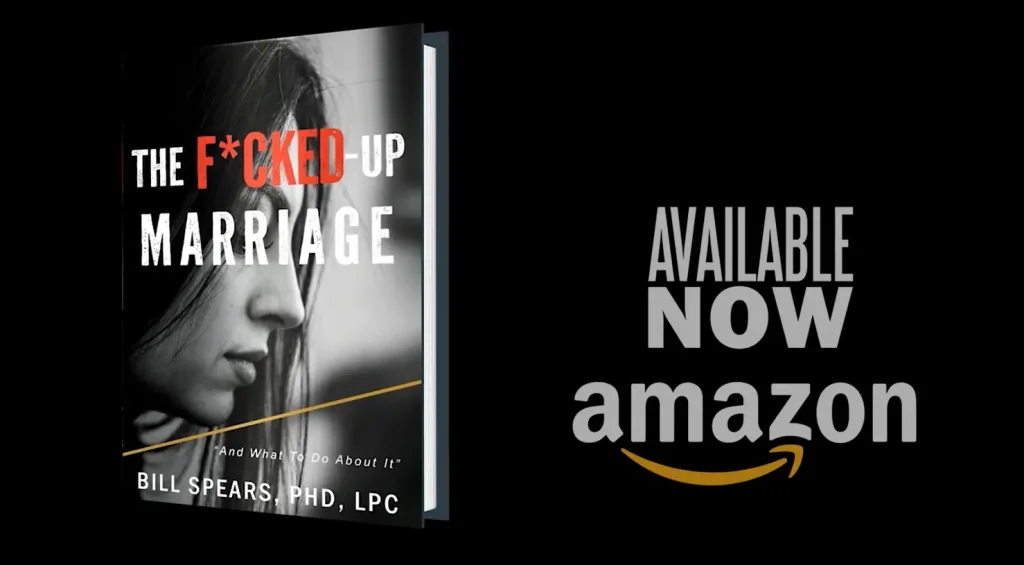
Marriage is often imagined as a quiet contract between two hearts. We think love will carry it forward, and conflicts will resolve naturally. But Bill Spears, PhD, LPC, explains in his marriage counseling book that marriages break not because problems appear, but because of toxic response cycles that become habits. A f*cked-up marriage is born when unhealthy reactions turn chronic and replace solutions. The real issue is not the topic of the fight, but the communication pattern that surrounds it.
Bill identifies four major types of communication styles that slowly transform normal marital tension into toxic communication in marriage. These are the communication habits to avoid because they generate distance instead of repair. He draws from Gottman’s research, particularly the idea that healthy marriages maintain far more positive interactions than negative ones, roughly a 5:1 ratio. When the ratio flips, marriages struggle to breathe.
Styles of Communication in Marriage That Most Couples Ignore
1. The Critic: When Every Issue Sounds Like a Character Flaw
Criticism is the most common of all types of communication styles, and also the most ignored. The critic does not say This hurt me, they say You always hurt me. The critic shifts from stating a problem to labeling a partner as the problem. Bill stresses that criticism attacks identity, not behavior. This is where marriage communication problems begin.
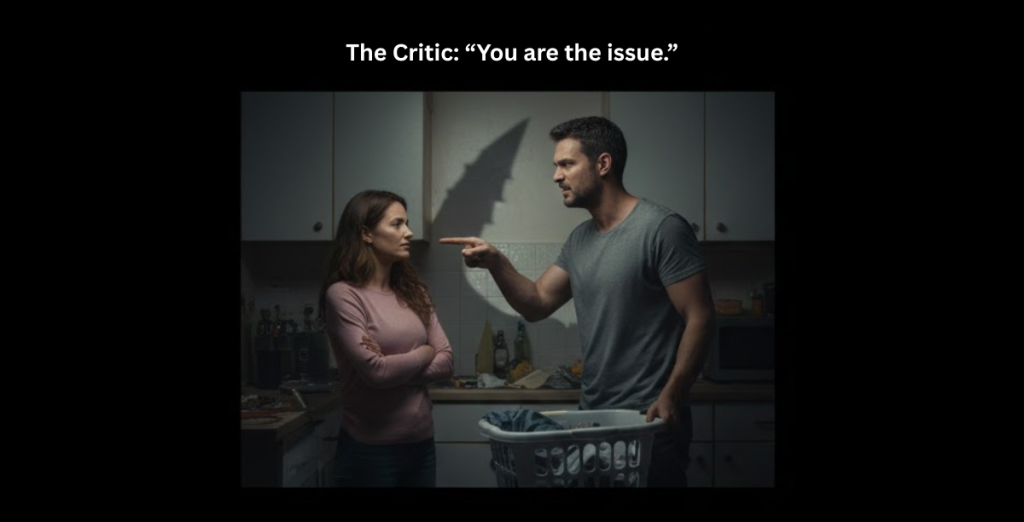
The book’s strongest example is Victor and Ella. Victor was frustrated about unresolved household issues. Instead of addressing the situation, he mocked Ella under the cover of jokes. He mimicked her tone, sneered at her habits, and delivered humiliation disguised as humor. Bill explains that criticism masked as comedy is toxic communication in marriage because the emotional result is not laughter, but shame. Victor never said We need to fix this, he said You are the issue. Over time, Ella stopped defending herself and started emotionally disappearing. Bill warns that this is a communication habit to avoid because shame kills safety, and safety is the foundation of influence and trust. A practical everyday example might be a partner who is upset about planning and says, You never do anything right, instead of Let’s plan this better together.
2. The Defender: When No One Owns Even a Small Piece of the Problem
Defensiveness is another damaging style among the Styles of Communication in Marriage. A defender reacts from ego or control, refusing accountability even when the emotional damage is obvious. Bill argues that a marriage communication problem can never be solved when responsibility is constantly dodged.
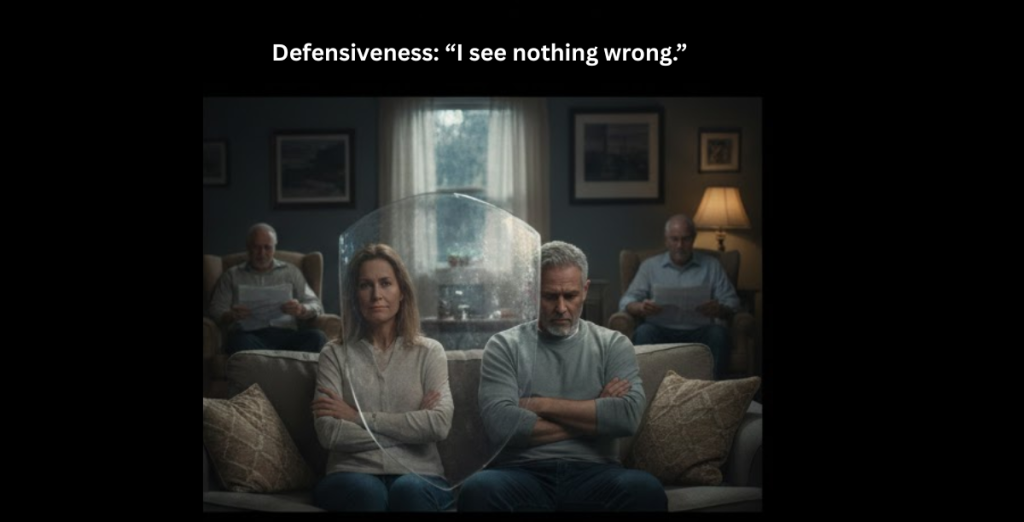
The Book shows this clearly in Charlie and Doris. Charlie tried repeatedly to set boundaries with intrusive in-laws who dominated their personal space. Doris responded not by engaging with the problem, but by defending the situation, denying Charlie’s emotional distress, and dismissing him as a “complainer.” Bill explains that their marriage did not collapse because of the in-laws, but because of Doris’ defensiveness toward Charlie’s emotional needs. Her communication habit said, I will not adjust, and I see nothing wrong here. Charlie felt unheard for years, and contempt grew in the unaddressed silence. Doris believed the marriage was fine because she never accepted the emotional imbalance in it. Bill stresses that defensiveness is one of the communication habits to avoid because it stops conversations from becoming solutions.
A practical example might be a partner confronted about harsh tone responding with, You take everything the wrong way, instead of I understand and I hurt you, I will work on this.
3. The Stonewaller: When Silence Is No Longer a Pause, but a Wall
Stonewalling is one of the most destructive types of communication styles Bill highlights. A normal break to cool off is 15-30 minutes. But stonewalling becomes toxic communication in marriage when silence is used as punishment or emotional withdrawal for days. Bill stresses that chronic silence creates emotional isolation, which forces conflicts to explode later with greater damage.
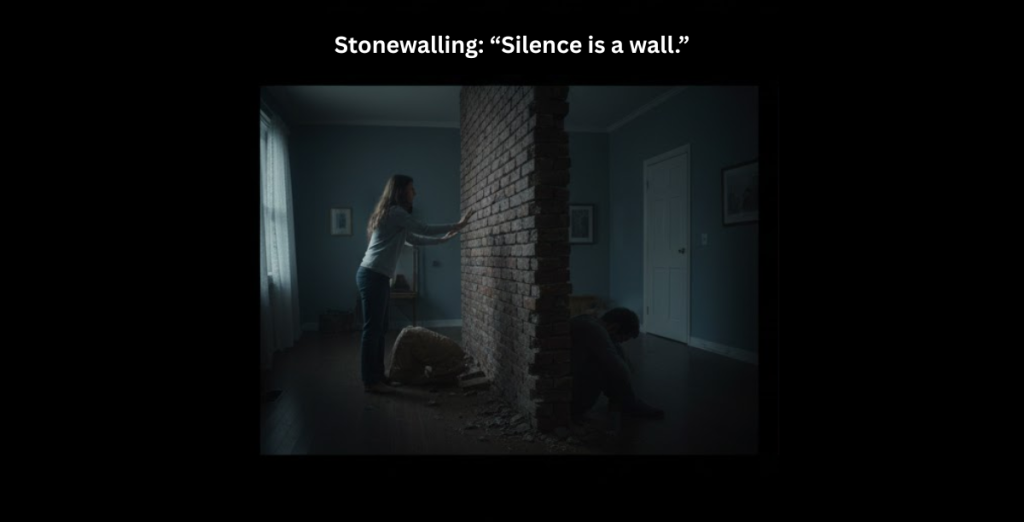
In the book, Mary and Tim reached a crisis point where Tim shut down emotionally and Mary felt like she was speaking into a void. Bill asked them to separate temporarily because their communication was locked in chronic contempt, defensiveness, and stonewalling. The rules of separation were clear, but the couple struggled to follow them, proving Bill’s point that stonewalling is one of the communication habits to avoid because it kills repair time and blocks emotional reconnection.
4. The Contempt Communicator: When the Tone Says “You Don’t Matter”
Contempt is the darkest among all types of communication styles. Bill calls it the strongest predictor of divorce. Contempt is not just anger. It is disdain, mockery, eye rolls, condescending remarks, or emotional exclusion. Bill explains that toxic communication in marriage peaks when partners stop responding to the issue and start responding to the person with superiority or disgust.

In Charlie and Doris’ story, contempt grew slowly as Doris continued dismissing Charlie’s emotional reality. Charlie emotionally checked out long before he physically left. Bill stresses that contempt is the communication habit that most couples ignore because it is quiet but corrosive. A sneer is smaller than a shout, but heavier in emotional impact. Bill reminds readers that a f*cked-up marriage forms when respect disappears in the tone. Respect, he says, means inclusion, shared influence, kindness, and emotional acknowledgment. Contempt replaces all of this with silent disdain.
A f*cked-up marriage is not a marriage with problems. It is a marriage with chronic toxic response habits. Criticism replaces identity. Defensiveness erases accountability. Stonewalling blocks repair time. Contempt kills influence and respect. These are the communication habits to avoid because they turn solvable issues into permanent emotional injury. Bill Spears insists that communication styles are not personalities carved in stone. They are habits. And habits can change when couples choose awareness, emotional intelligence, shared influence, and accountability. Marriages heal when responses change. Marriages fail when toxic communication becomes normal language.